


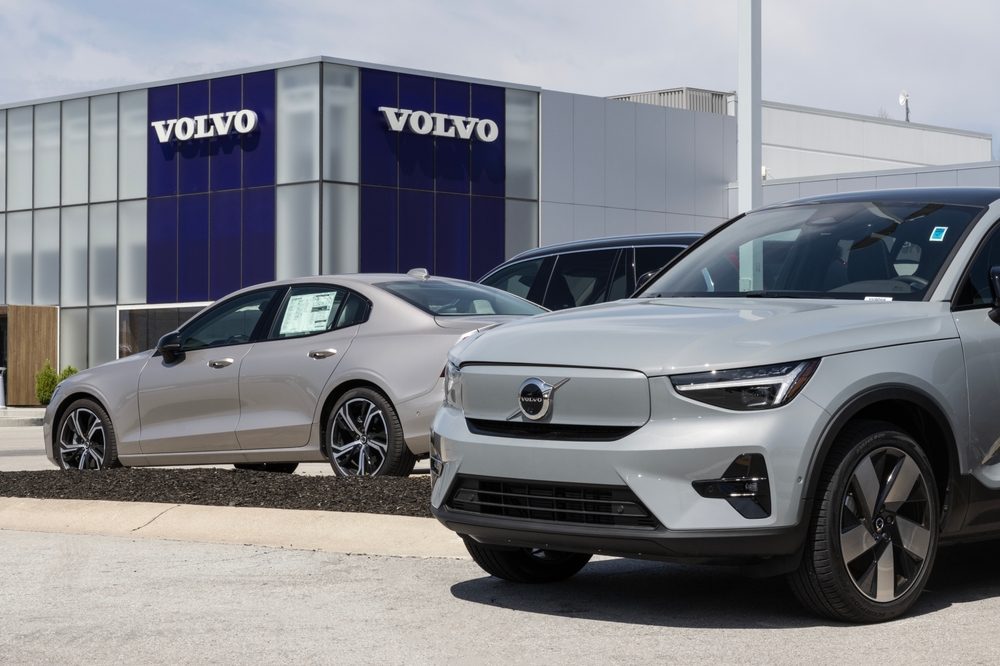
Volvo Cars has reported a 10% decline in sales volume for November 2025, with global vehicle deliveries reaching 60,244 units, down from 66,855 units a year ago. This drop in sales is attributed to a combination of factors, including international trade pressures, reduced demand in key markets like the U.S., and structural issues within the automotive industry.
Despite the decline, Volvo is continuing to navigate these challenges and adapt its strategy to maintain a competitive edge in the market.
Impact of U.S. Demand and Changing Market Conditions
One of the primary reasons behind the decline in Volvo car sales volume is weak demand in the U.S. market. Changes to electric vehicle incentives have slowed down consumer interest in purchasing new vehicles, particularly affecting sales of electrified models.
The automaker also cited broader market uncertainties and trade tariffs as contributing factors. Volvo, like many other global automakers, is navigating through these shifts while working to strengthen its position in the evolving landscape of electric mobility.
Growth in Fully Electric Car Sales
Despite the overall drop in sales volume, Volvo saw a 4% year-on-year increase in fully electric car sales. These vehicles accounted for 24% of total sales in November, signaling growing interest in electrified transportation. However, when considering both fully electric and plug-in hybrid cars, the combined sales of these electrified models fell by 5%.
This suggests that while there is progress in the adoption of electric vehicles, the broader electrified vehicle segment faces challenges, potentially due to shifting consumer preferences or external economic pressures.
Volvo’s SUV Segment and Global Trends
Volvo’s SUVs remain popular among consumers, although even this segment is feeling the effects of market slowdowns. The Volvo XC60, the company’s top-selling model, saw sales decline from 21,586 units in November 2024 to 16,267 units in November 2025. Other models, including the XC40 and XC90, also saw lower sales figures. These declines reflect the broader trend of reduced consumer demand across Volvo’s entire vehicle lineup, particularly in more mature markets.
Volvo’s Strategic Focus on Profitability
Looking ahead, Volvo is focusing on improving profitability despite declining sales volume. The company aims to achieve an operating profit margin of over 8% in the future. With a strong emphasis on electrification and the launch of new high-margin models, Volvo is positioning itself for long-term success. The company’s strategy to adapt to changing consumer preferences and invest in the EV market will be key to its recovery.
Follow Arabwheels to stay updated on daily insights into automotive news.