
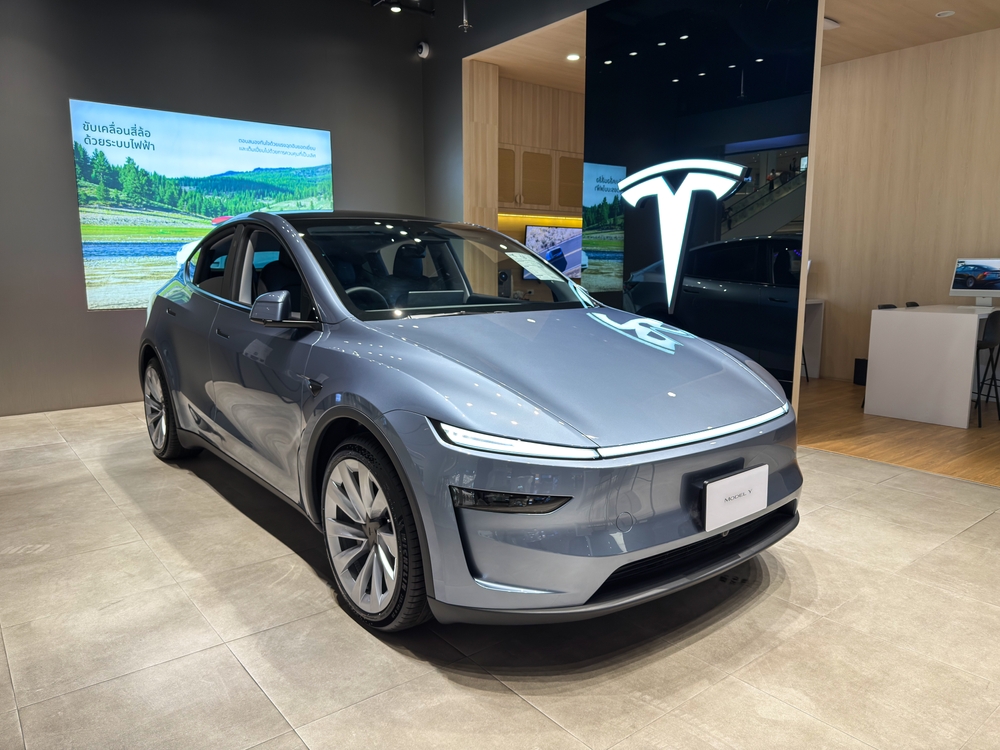

Tesla’s U.S. sales slump deepened in November 2025, with the electric-vehicle maker reporting its weakest monthly performance in nearly three years, even after rolling out lower-priced versions of its popular models. The decline highlights growing challenges for the EV leader amid shifting consumer demand and intensifying competition.
Record Sales Slide in November
Tesla’s U.S. sales slump was stark in November, with deliveries falling nearly 23% year over year to about 39,800 vehicles. The lowest level since January 2022, according to Cox Automotive estimates.
The drop came despite Tesla’s strategic move in October to introduce more affordable Standard versions of its best-selling Model Y SUV and Model 3 sedan, priced roughly $5,000 below prior base models. These versions were expected to counteract sagging demand triggered in part by the end of a federal $7,500 EV tax credit at the close of September.
Analysts had hoped the new pricing strategy would spur purchases, but the outcome tells a different story.
Standard Versions Fail to Ignite Demand
One of the core drivers behind Tesla’s U.S. sales slump was weak uptake of its newly introduced Standard variants. Stephanie Valdez Streaty, director of industry insights at Cox Automotive, noted that the disappointing figures “certainly show there is not enough demand for the Standard variants that were supposed to boost sales after the tax credit expiry.”
In addition, the Standard models inadvertently cannibalized sales of higher-priced Premium versions, particularly the Model 3, leading buyers who might have purchased a more expensive variant to opt for a cheaper one, further dampening total revenue.
Overall EV sales in the U.S. also tumbled in November, down more than 41% year over year. Tesla’s market share, however, climbed to 56.7% from 43.1% as rivals saw even steeper declines.
Broader Demand Pressures
Tesla’s U.S. sales slump comes amid broader industry headwinds that have hit EV demand. High borrowing costs and subdued consumer confidence have weighed on purchasing decisions. And Tesla has yet to introduce a completely new vehicle since the underperforming Cybertruck.
Cox Automotive’s Strategy noted the increasing pressure from other automakers planning to roll out cheaper electric vehicles with competitive features next year. “The answer is that Tesla needs a completely new vehicle in its fleet. Period,” she said.
Another factor analysts point to is Tesla CEO Elon Musk’s political positioning. Musk’s involvement in U.S. politics, particularly his work with former President Donald Trump and his controversial rhetoric, has sparked protests and some erosion of the brand’s image, which industry observers suggest could influence buyer sentiment.
What’s Next for Tesla?
In response to the sales downturn, Tesla is offering promotional financing deals, including 0% financing on the Standard Model Y. However, experts say such measures reflect persistent demand weakness rather than a robust rebound.
With rival automakers ramping up their EV offerings and consumer incentives reduced, Tesla’s ability to innovate will be crucial. Expanding its lineup may prove pivotal as it seeks to reverse its U.S. sales slump and maintain leadership in an increasingly competitive market.
Stay connected with Arabwheels for the latest insights into the automotive world.
