
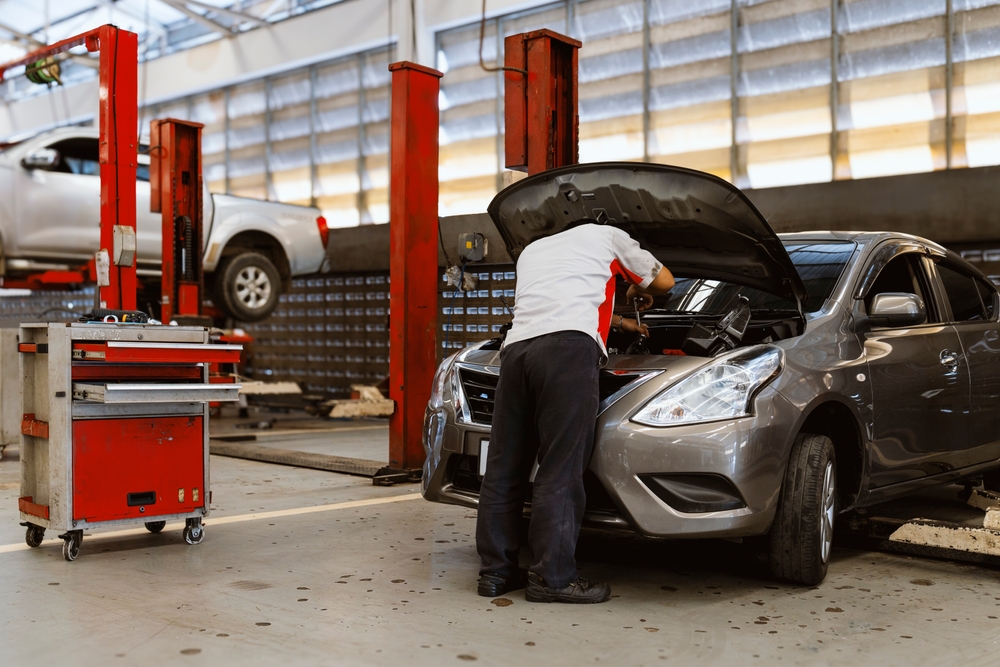

Saudi Arabia is tightening the rules for vehicle repair workshops in a move designed to elevate service standards, enhance road safety, and improve urban aesthetics across the Kingdom. The Ministry of Municipal and Housing has unveiled a comprehensive set of regulatory requirements that will reshape how car repair facilities operate, aligning the sector with Saudi Vision 2030 goals of quality, order, and economic modernization.
A New Regulatory Framework for Vehicle Repair Workshops
Under the new rules, ownership and operation of vehicle repair workshops will be more structured and transparent. Every workshop must now secure a mandatory municipal license through the digital Balady platform. Accompanied by a valid commercial registration that matches the service offered. Before opening the doors to customers, workshop owners must therefore obtain approvals from relevant government entities to ensure compliance across the board.
To boost professionalism in the industry, the ministry has classified workshops by activity, including mechanical, electrical, and electronic repairs. Bodywork and painting, tire and oil services, and battery testing and maintenance. This categorization aims to ensure specialized services are offered by qualified providers who meet certified standards.
Infrastructure and Safety Standards Take Center Stage
The new regulations go beyond paperwork and licensing. They lay out detailed infrastructure and safety standards to create a more customer‑friendly, visually appealing service environment.
All vehicle repair workshops must be located in designated industrial areas or approved commercial streets. Designs and facades must align with the Saudi urban code, therefore blending into the cityscape rather than contributing to visual clutter.
They must prioritize customer convenience and safety. Workshops must provide clearly marked customer parking and proper entry points. They must implement fire safety measures and equip their facilities with adequate lighting and advanced surveillance camera systems. Workshop owners must display licenses where customers can see them, reinforcing trust and transparency.
Operational Standards and Environmental Responsibility
In line with environmental and societal expectations, the new regulations introduce operational rules aimed at sustainability and community well‑being. Vehicle repair workshops are strictly prohibited from using sidewalks or public infrastructure for work activities. They must maintain cleanliness and safely manage hazardous waste. For example, used oils must be managed in an environmentally responsible way.
To support modern consumer preferences, workshops must offer electronic payment options and accessible facilities for people with disabilities. Licensed repair workshops must ensure that every technician holds relevant professional certifications, guaranteeing that trained, competent personnel service the vehicles.
What These Changes Mean for the Market and Drivers
The impact of these changes on Saudi Arabia’s automotive services market could be significant. By elevating standards and formalizing operations, the government expects increased consumer confidence in vehicle repair workshops. This formalization promises safer roads, improved service quality, and reduced scattered, informal repair setups that have long challenged urban planners.
The new regulatory landscape not only fosters fair competition among workshop owners but also encourages professional growth and investment. Such measures align with global best practices in automotive services, bolstering Saudi Arabia’s attractiveness to investors and contributing to sustainable economic progress under Vision 2030.
Car owners and investors alike are watching closely as these regulations begin to take effect, marking a new chapter for automotive services in the Kingdom.
Keep following Arabwheels for daily updates and insights from the automotive world.
