
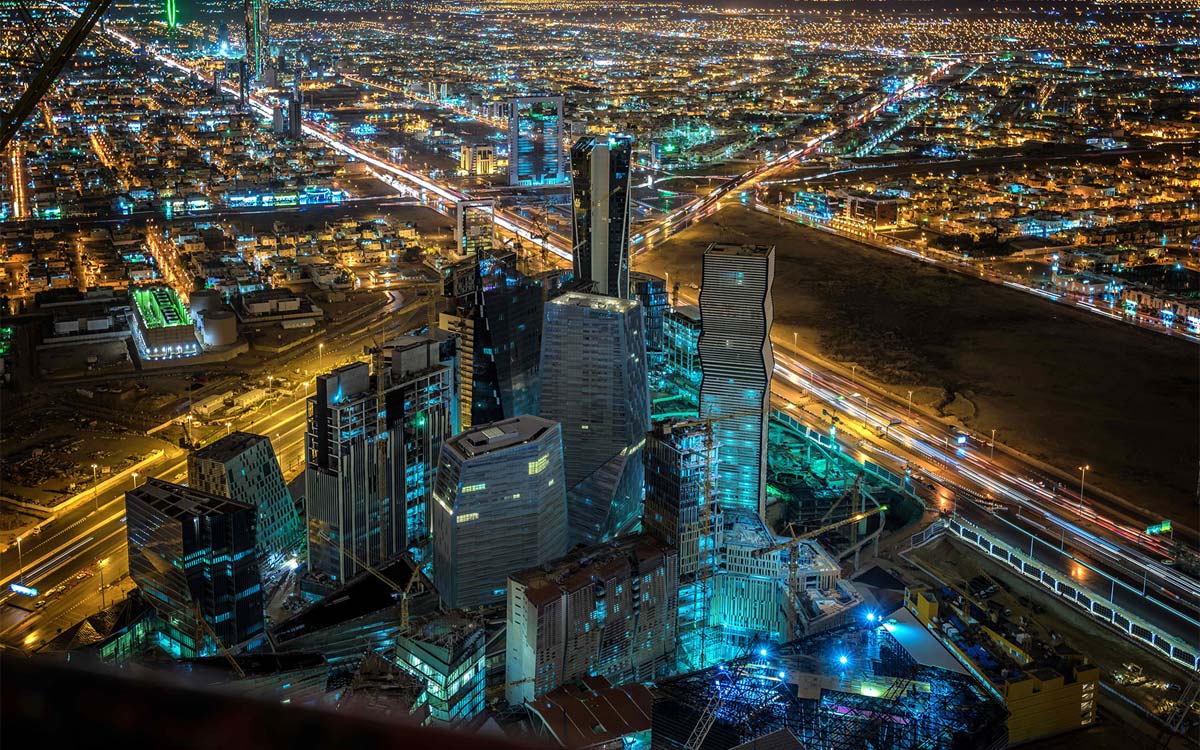

Saudi Arabia is pushing forward with a transformative road network upgrade project designed to ease congestion and supercharge connectivity around Riyadh’s bustling King Abdullah Financial District (KAFD). This major infrastructure initiative, led by the Royal Commission for Riyadh City (RCRC), is part of the broader Riyadh Ring Roads and Main Roads Development Program. When complete, it promises to make daily travel smoother for drivers, cut bottlenecks, and integrate key transport corridors across the capital.
Strategic Expansion Around KAFD
The heart of this initiative is a roughly 20‑kilometer road network upgrade that focuses on the highways and streets that feed into and surround the King Abdullah Financial District. This isn’t a simple resurfacing job. RCRC has planned enhancements that include improving three major intersections and constructing 19 bridges to tackle chronic congestion and improve access for commuters, residents, and businesses alike.
Traffic engineers and urban planners are treating this project as more than just fixing roads. By targeting systemic pinch points in one of Riyadh’s busiest economic hubs, they’re aiming to enable a more reliable flow of vehicles during peak hours and beyond. The enhancements are expected to reduce commute times and support the area’s continued growth as an economic powerhouse.
Key Corridors and Connectivity Boost
A standout feature of the plan is its focus on three of Riyadh’s most important transport corridors:
- The Northern Ring Road
- Al‑Takhassusi Road
- King Fahd Road
These arteries are vital for traffic movement across sectors of the city, and their optimization is central to the overall road network upgrade strategy.
To address severe chokepoints, the project includes installing 227 structural columns, some rising nearly 30 meters. Part of the bridge construction will elevate and expand vehicle capacity. These bridges sit at the core of the vision to create a more integrated, seamless road system. It will both accommodate current traffic patterns and anticipate future demand.
Officials and transport planners are clear that the work isn’t just about building new concrete. It’s about reshaping how Riyadh functions as a modern capital in motion. These investments dovetail with other national efforts to improve mobility, support economic expansion, and reduce the environmental impact of prolonged traffic jams.
Expected Impact on Traffic
Once fully operational, the road network upgrade project is expected to enhance traffic efficiency across the targeted areas. Planners forecast that average vehicle speeds will increase, and travel times will shrink. And the road system will become more resilient to peak‑hour pressure.
Beyond convenience, there’s a ripple effect. Improved traffic flow around the KAFD area could boost economic activity. It will reduce delay costs and improve access for logistics, workforce mobility, and business travel.
This kind of infrastructure improvement is becoming a hallmark of Riyadh’s urban transformation.
It positions the city as more livable, connected, and forward‑thinking.
Conclusion
The ambitious road network upgrade around Riyadh’s King Abdullah Financial District represents a bold step toward modernizing the city’s infrastructure. By reducing congestion, improving connectivity, and anticipating future traffic demands, this project is set to enhance daily life for residents and support economic growth. At the same time, cement Riyadh’s status as a forward-looking, globally competitive capital.
As construction progresses, commuters and businesses alike can look forward to a smoother, faster, and more efficient travel experience across the heart of the city.
Follow Arabwheels for daily automotive news and updates.
