

Cruising down King Fahd Road in Jeddah or navigating the dunes near Riyadh, every Saudi driver knows the summer sun can turn a car into an oven. That’s why car window tinting in KSA isn’t just a style choice. It’s about comfort, heat protection, and driving smart.
But there’s a fine line between cool and illegal: the Kingdom has clear rules and penalties that every driver should understand before getting their windows tinted.
What Car Window Tinting in KSA Really Means
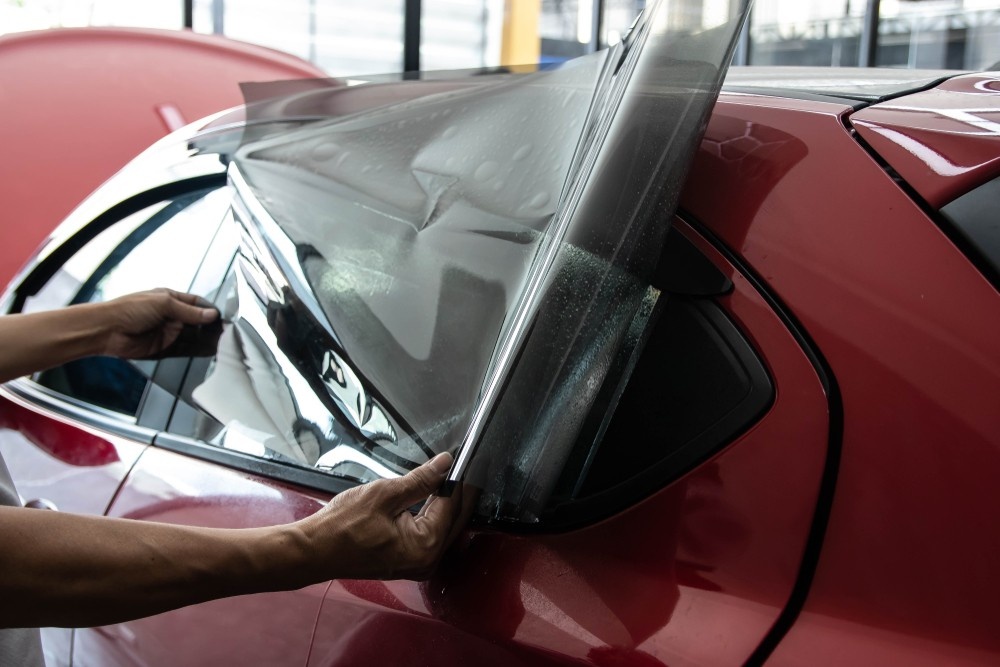
In Saudi Arabia, tinting is a regulated traffic modification, not a free-for-all upgrade. Tinting adds a film to your vehicle’s windows to reduce sunlight, protect against UV rays, and enhance privacy. All is valuable in a climate where asphalt can melt, and AC bills soar. However, the Saudi General Traffic Department (Moroor) sets limits to balance privacy, safety, and visibility.
The Legal Tint Percentage You Must Follow
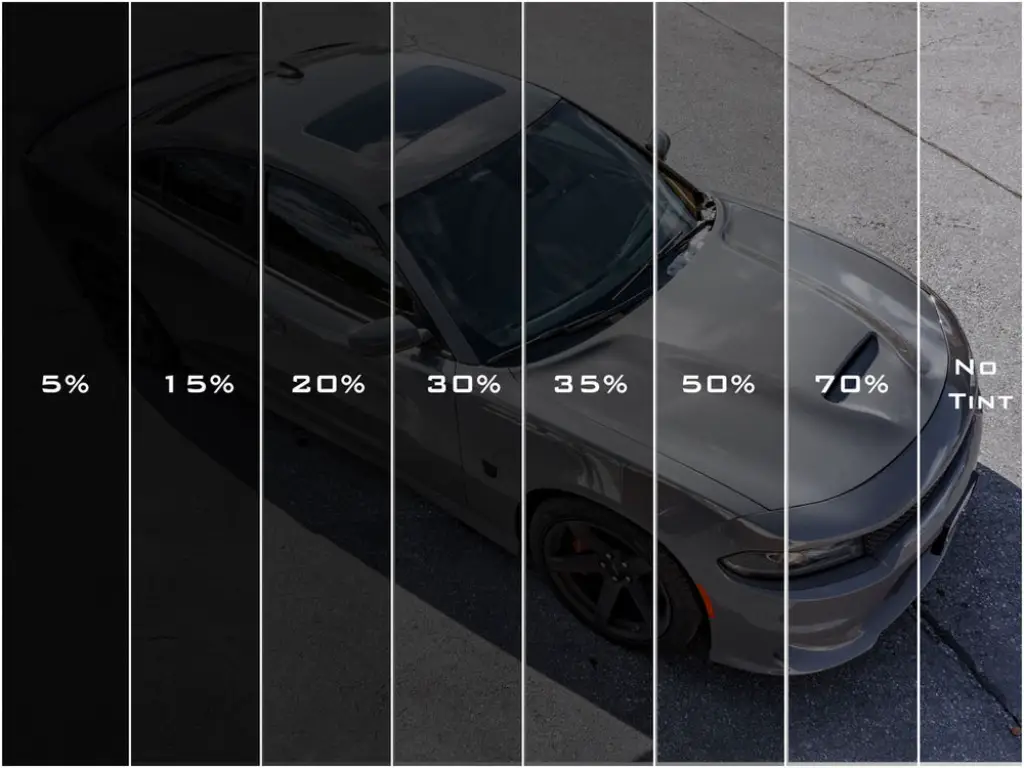
The core rule for car window tinting in KSA is straightforward: you cannot block more than 70% of light on allowed windows, meaning at least 30% must pass through the film. This ensures that police, emergency responders, and fellow drivers can see inside when needed and that your own view isn’t dangerously compromised at night or in poor weather.
Saudi authorities recognise specific tint grades. These include light, mild, and medium tint levels, with darker shades permitted only if the 30% light-transmission rule is observed.
Which Windows You Can (and Can’t) Tint
This is where many drivers slip up.
Allowed:
Only the rear side windows can be tinted under normal conditions. Tinting here helps keep the cabin cooler for passengers and limits curious eyes from peering in on your valuables.
Not Allowed Without Special Permission:
- Front side windows: No tint, except for approved medical cases.
- Windshield: Strictly untinted to preserve your forward visibility.
- Rear windshield: Generally untinted unless part of specific official vehicles.
Breaking these rules isn’t just a technicality. It directly affects road safety, especially when light conditions change quickly after sunset.
Who Can’t Have Tinted Windows at All
Some vehicles in the Kingdom aren’t even eligible for tinting, regardless of percentage:
- Taxis and public transport vehicles
- Rental cars
- Cargo trucks
- Buses
- Limousines
- 2-door sports cars (cars without rear seats)
This is about visibility for passengers and authorities, especially in places where locals and tourists share the roads.
Want Darker Tint for Medical Reasons?
Saudi drivers with specific health needs (like photosensitivity or medical conditions that make heat dangerous) can apply for an exemption to exceed the usual 30% light-transmission limit. But you’ll need official documentation and approval from the relevant authorities.
Penalties: What Happens if You Break the Rules
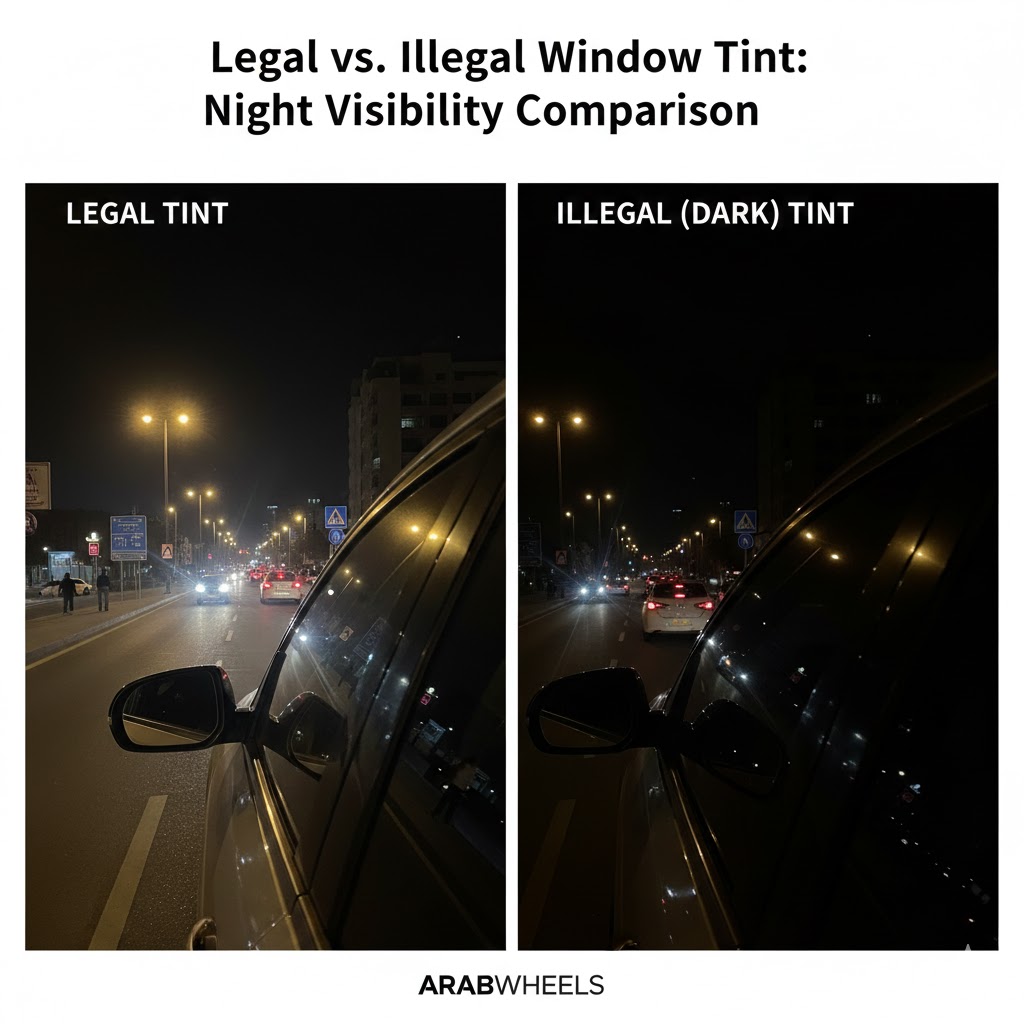
The fines for illegal window tinting aren’t pocket change. If your tint is too dark, on the wrong windows, or on a prohibited vehicle, you can expect fines generally in the 500–900 SAR range, depending on the violation. Enforcement has recently sharpened, including checks even when vehicles are parked. That’s because unsafe tinting has been linked to nighttime accidents and visibility-related incidents.
If you think a fine was issued unfairly, you can challenge it through the government’s Absher platform by submitting a dispute and supporting documents.
Expert Insight:
Traffic safety specialists in Saudi Arabia consistently point out that excessively dark tinting reduces
reaction time at night and during sandstorms, two common driving conditions in the Kingdom.
Legal tinting isn’t just about compliance.
It’s about maintaining your situational awareness when conditions change quickly.
Why These Tinting Rules Matter for Saudi Drivers
Watching your interior temperature drop by several degrees or reducing UV heat is a tangible benefit in the Kingdom’s blistering climate. But in fast-moving traffic and dense city lights, clear visibility is essential to safety. Car window tinting in KSA can feel like a comfort upgrade, but the legislation reflects a thoughtful balance between personal preference and public safety.
Saudi drivers have developed habits tailored to extreme summer heat. Tinted rear windows are almost standard in cities like Riyadh and Dammam. However, crossing the legal line could cost you more than just comfort. It can cost you time and money dealing with fines or disputes.
Final Thoughts
Before you visit the tinting shop next, remember: less can be more. Stick to the legal limits of car window tinting in KSA, choose high-quality films that don’t mislead law enforcement gadgets, and keep your rides cool without sidestepping the law. Knowledge in this area isn’t just smart. It’s essential for every Saudi driver who wants shade without penalties.
Stay up to date with the latest automotive trends and insights by following Arabwheels.
