


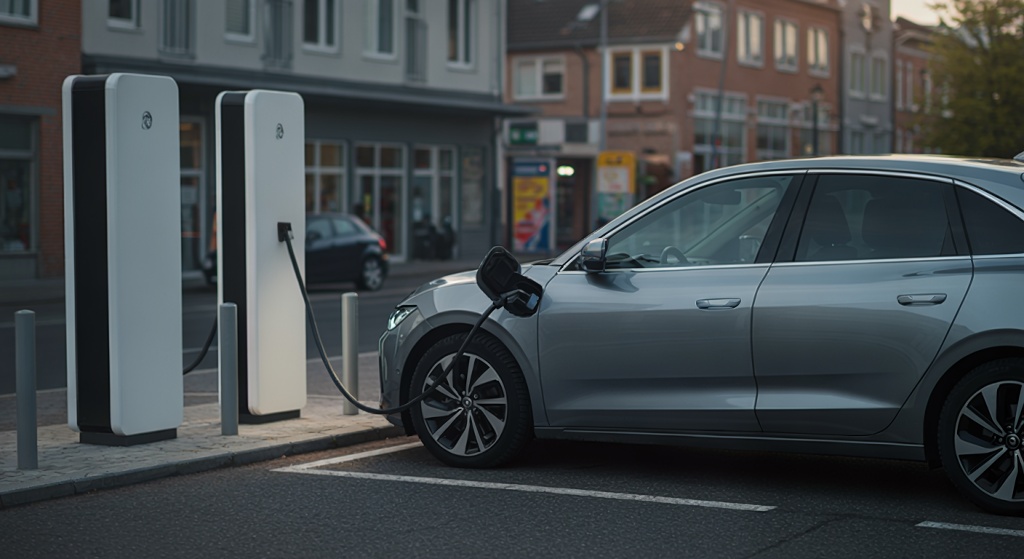
Electric cars in KSA are no longer futuristic curiosities. They’re rolling onto Saudi roads, from Riyadh highways to Jeddah’s Corniche. But many Saudi drivers are still wondering: Are electric cars actually economical in the Kingdom?
Let’s explore this question by examining fuel costs, maintenance, charging infrastructure, and government incentives, and how they align with Saudi Arabia’s Vision 2030.
Key Highlights
1. Why Saudi Drivers Are Talking About Electric Cars
2. What Makes Electric Cars Economical in Saudi Arabia?
3. Fuel Savings: EVs vs Petrol Cars
4. Purchase Price vs Long-Term Savings
5. Maintenance: EVs vs Petrol Cars
6. Charging Infrastructure in Saudi Arabia
7. Government Incentives: Supporting EV Adoption
8. Resale Value and Long-Term Trends
9. Real-Life Example: A Riyadh Commute
10. Conclusion
Why Saudi Drivers Are Talking About Electric Cars
Saudi Arabia is undergoing a transformation, with Vision 2030 focusing on sustainability and reducing dependence on oil. Electric cars play a crucial role in this plan by promoting clean energy and modernizing transportation.
Vision 2030 and Sustainable Transport
Under Vision 2030, Saudi Arabia is investing in green energy, smart cities, and future‑focused transport. By increasing EV adoption, the Kingdom aims to:
- Cut carbon emissions
- Reduce oil dependency
- Foster innovation and green jobs
Electric cars are more than just a trend. They’re a key part of the Kingdom’s future.
What Makes Electric Cars Economical in Saudi Arabia?
To determine whether EVs are economical, we’ll evaluate several factors: fuel costs, purchase price, maintenance costs, and infrastructure costs.
Fuel Savings: EVs vs Petrol Cars
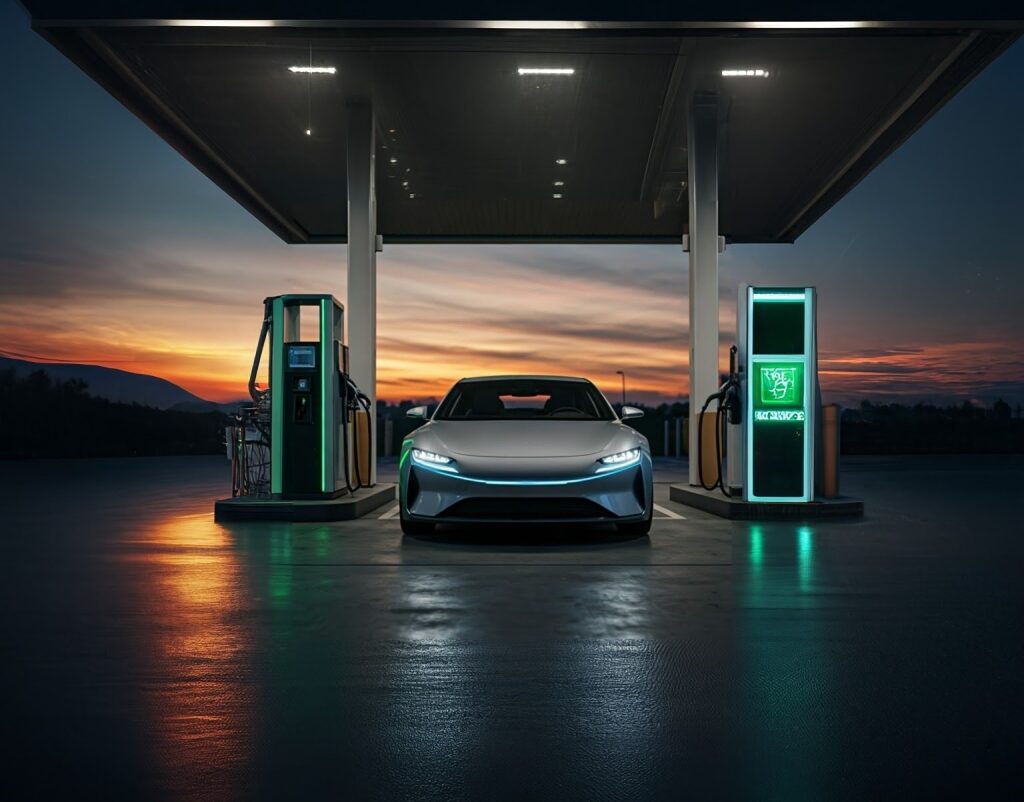

In Saudi Arabia, petrol has historically been very cheap, but that’s changing. Fuel price reforms have increased petrol costs over the years, making EVs a more attractive option.
Petrol Prices Are Rising
While Saudi petrol prices were among the lowest globally, recent reforms have increased the cost per liter. For instance, petrol prices rose significantly in 2021, and the current price is hovering around SAR 2.18 per litre for 91-octane.
Charging Costs Are Lower
Charging an electric car, on the other hand, is generally much cheaper than filling up a petrol tank. For example, charging an EV might cost you only SAR 4–6 for the same distance covered by a full tank of petrol.
As fuel prices rise, the cost of driving an electric vehicle will remain lower, especially with the added benefit of charging at home.
Purchase Price vs Long-Term Savings
Electric cars generally come with a higher upfront cost, but when you factor in long-term savings, they can be more economical.
Total Cost of Ownership (TCO)
The Total Cost of Ownership (TCO) is a comprehensive measure of EV affordability. It includes:
- Upfront cost
- Fuel/electricity cost
- Maintenance and service costs
- Resale value
Electric cars in KSA have fewer moving parts, leading to lower maintenance costs. For example, there are no oil changes, and brake wear is reduced thanks to regenerative braking systems.
Maintenance: EVs vs Petrol Cars
Electric cars are simpler machines, leading to fewer maintenance requirements.
Less Maintenance, Lower Costs
Electric cars don’t require oil changes, exhaust systems, or traditional transmissions. This results in lower maintenance costs over time. In Saudi Arabia, as more EVs are sold, the availability of specialized service centres is also increasing, especially in major cities like Riyadh and Jeddah.
Charging Infrastructure in Saudi Arabia
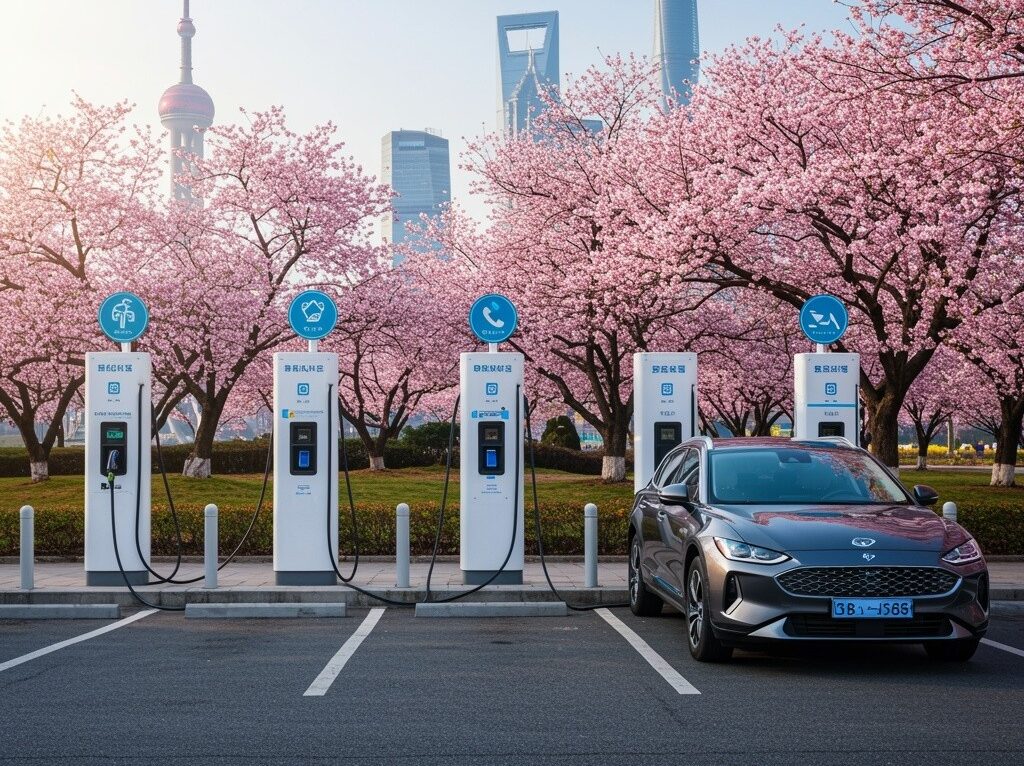

A key concern for any potential EV buyer is access to charging stations. Fortunately, Saudi Arabia is rapidly expanding its electric vehicle infrastructure.
Expanding Charging Stations
In 2022, Saudi Arabia announced plans to expand its electric vehicle charging infrastructure, especially in urban centres. Cities like Riyadh, Jeddah, and Dammam now have a growing number of public charging stations, and more are planned for the future. The government’s push to develop these networks aligns with Vision 2030’s goal of creating a sustainable, future-ready transportation system.
Discover top EV charging trends and stations in Saudi Arabia.
Government Incentives: Supporting EV Adoption
To encourage electric vehicle adoption, Saudi Arabia has taken significant steps.
Tax Breaks and Incentives
Though specific tax breaks for EVs haven’t been widely publicised yet. The government has shown its commitment to green energy through investments in clean mobility infrastructure. Programs like Saudi Arabia’s Electric Vehicle Charging Network are part of Vision 2030, aiming to reduce emissions and promote the shift to electric vehicles. As EV adoption increases, expect more incentives, such as subsidies or tax exemptions.
Resale Value and Long-Term Trends
When considering an EV, many Saudi buyers worry about resale value. While EV technology is still evolving, interest in electric cars is growing, and demand will likely increase in the coming years.
A Growing Market
As EV adoption increases, more models from global brands like Tesla, Nissan, and BYD are entering the Saudi market. This growing supply will likely stabilize the resale value of electric cars, just as it did with traditional vehicles.
Real‑Life Example: A Riyadh Commute
Let’s put this into perspective with a practical example. If you drive 40 km per day in Riyadh:
- Petrol car: You’ll spend significantly more on fuel over the course of the year.
- Electric car: You’ll save on fuel costs and maintenance. For example, a Tesla Model 3 can travel about 370 km on a full charge, costing just SAR 15–20 at home.
These savings can add up quickly.
Final Thought
Saudi Arabia’s shift towards electric vehicles is not just an economic choice; it’s part of a larger vision for a cleaner, greener future. As petrol prices rise and infrastructure improves, electric cars offer a compelling case for Saudi drivers looking to save money and align with Vision 2030’s sustainable goals.
Follow Arabwheels for more car reviews, comparisons, and guides.