
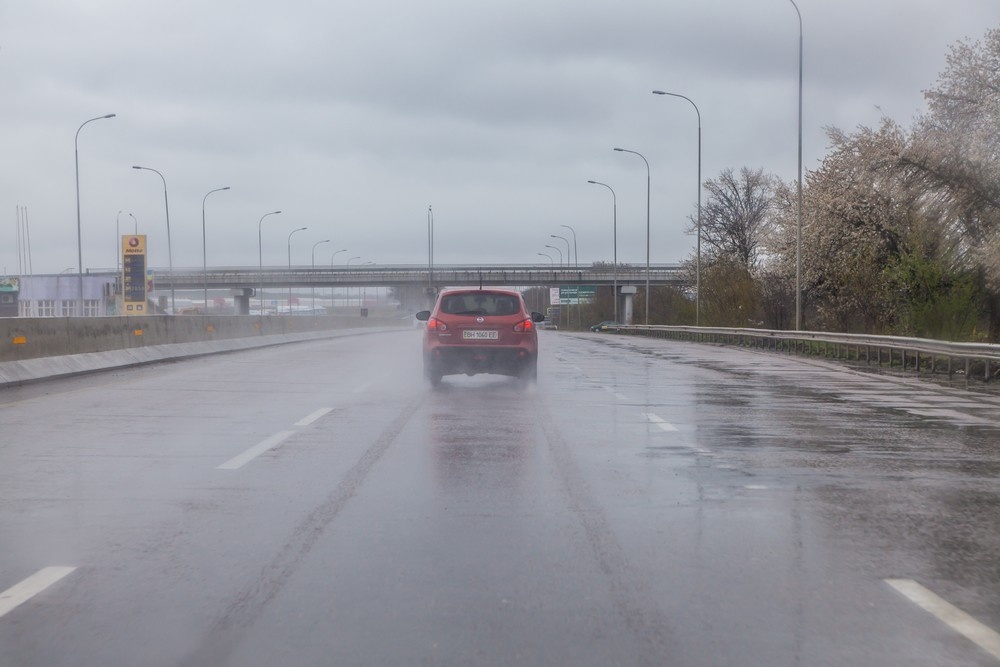

Saudi Arabia is expected to experience a wetter January and a warmer first quarter in 2026, according to the National Center for Meteorology (NCM). The forecast predicts above-average rainfall in many regions. Followed by generally warmer-than-normal temperatures. This signals important considerations for drivers and vehicle maintenance across the Kingdom.
Rainfall Could Affect Road Safety
The NCM’s seasonal outlook indicates that rainfall in January is likely to exceed long-term averages across the northern, eastern, western, and central regions. Areas such as Tabuk, Al-Jawf, the Northern Borders, Hail, and parts of the Eastern Province may see heavy rainfall at times.
For drivers, these conditions mean increased risks of slippery roads, reduced visibility, and potential flash floods in low-lying areas. Vehicles should be checked for functioning wipers, effective tires, and working brakes to handle wet surfaces safely. Drivers are advised to maintain safe following distances and reduce speed in heavy rain.
As February approaches, rainfall is expected to moderate to near-average levels in most regions.These regions include Tabuk, Al-Jawf, Northern Borders, Hail, Qassim, Riyadh, and northern Eastern Province. By March, precipitation will likely stabilize around normal levels. Particularly in southwestern and western regions such as Jazan, Asir, Al-Baha, Makkah, southern Madinah, northern Najran, and southern Eastern Province.
Warmer Temperatures Call for Vehicle Readiness
Alongside wetter conditions, the NCM forecasts higher-than-normal temperatures, with increases of up to 1.5 degrees Celsius above long-term averages. Central regions, southern Riyadh, parts of the Eastern Province, and eastern Najran are expected to see the most significant warming.
Higher temperatures can affect vehicle performance, particularly engine cooling, tire pressure, and battery efficiency. Drivers should check coolant levels, monitor tire inflation regularly, and inspect battery health to avoid breakdowns during hot days. Air conditioning systems should also be maintained for optimal comfort and safety.
Practical Tips for Saudi Drivers
With rainfall and rising temperatures coinciding, drivers should take proactive measures to protect their vehicles.
Regular maintenance, such as oil changes, brake inspections, and tire tread checks, becomes even more critical. Additionally, ensuring headlights and brake lights are fully operational improves safety during sudden downpours or low-visibility conditions.
Conclusion
Saudi Arabia’s rainfall forecast for early 2026 highlights the need for drivers to remain vigilant and maintain their vehicles. From managing wet roads in January to preparing for warmer temperatures in the first quarter, careful vehicle upkeep and attentive driving can minimize risks and ensure safe travel across the Kingdom.
Follow Arabwheels for daily updates and proactive measures for drivers in Saudi Arabia.
