
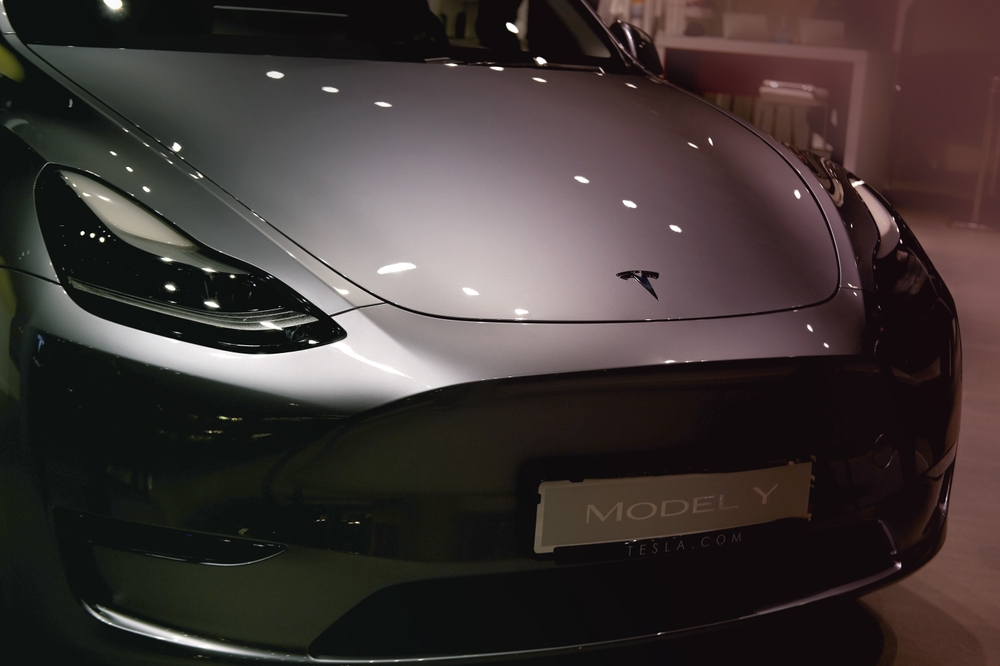

A major German reliability study has delivered troubling news for Tesla owners: the latest TÜV report has named the Tesla Model Y the least reliable vehicle among all 2–3-year-old cars inspected. The findings highlight widespread quality concerns and spotlight what the data reveal about Tesla Model Y reliability.
TÜV’s Largest EV Dataset Yet
For the first time, the 2026 TÜV Report includes an extensive overview of electric-vehicle performance. Drawing from roughly 9.5 million mandatory technical inspections conducted in Germany between July 2024 and June 2025, the study offers one of the most comprehensive looks at EV reliability to date.
Inspectors evaluated the rate of significant defects, issues severe enough to cause a vehicle to fail the country’s required safety check. While the report doesn’t account for variables like total mileage or owner driving habits, its methodology provides a clear, comparative look at how vehicles perform under standardized conditions.
This year’s results were especially notable because they brought the Tesla Model Y’s reliability into sharp focus.
Tesla Models Rank at the Bottom
The Tesla Model Y posted a 17.3% defect rate, the worst in its age group and the worst recorded for any model in the past decade. The Tesla Model 3 didn’t fare much better, landing a 13.1% defect rate and finishing third from the bottom.
This means that among 110 models evaluated, two of Tesla’s most popular vehicles ranked among the very worst. The findings challenge the perception that electric vehicles are inherently more reliable than combustion-engine cars, suggesting instead that Tesla Model Y reliability issues may be specific to the brand.
In contrast, other EVs performed impressively. The Mini Cooper SE posted a 3.5% defect rate, while the Audi Q4 e-tron and Fiat 500e reported 4.0% and 4.2% respectively — numbers on par with, or better than, traditional cars.
Data vs. Owner Experiences
While some drivers may report positive personal experiences, the TÜV data paints a different picture. The report’s author, while noting his own smooth six-year experience with a 2019 Model 3, emphasized that the statistics tell a broader truth.
He wrote that “87 out of 100 people with a Model 3 may be in my boat … but 13 out of 100 having problems is an inferior result, and 17 out of 100 is even worse.” His comments underscore the difference between personal experiences and measurable, widespread defects. A distinction central to evaluating the reliability of the Tesla Model Y.
What Buyers Should Take Away
As EV adoption accelerates, this report serves as a reminder that not all electric vehicles are created equal. Many models demonstrate excellent reliability, but the data show that Tesla Model Y reliability lags far behind competitors.
For shoppers comparing EVs, the message is clear: rely on comprehensive inspection data, not brand hype. And read more about the automotive world here on Arabwheels.
